Adapalene spent decades as a prescription drug. Dermatologists were prescribing it for acne since the 90s, and you needed a derm visit to get it. In 2016 the FDA cleared it for over-the-counter sale without changing anything about the formula. The same 0.1% adapalene that derms were prescribing for decades is now sitting on drugstore shelves for around $15.
That's genuinely unusual in skincare. Most OTC products are watered-down versions of what you'd get in a clinic. Differin is the real thing.
I've recommended it to pretty much every person who's asked me about acne treatment before going the prescription route. The results are real, but only if you actually stick through the first couple of months.
What Is Adapalene?
It's in the same family as tretinoin. It speeds up your skin's cell turnover. That process clears the congestion driving most acne and normalises how pores shed dead skin. Dermatologists have been reaching for retinoids since the 90s for exactly this reason.
Where adapalene sits in the retinoid hierarchy:
- Retinol (most OTC serums): Your skin has to convert it to retinoic acid first before anything happens. That takes time. You don't get results as fast, but your skin handles it a lot better.
- Tretinoin (prescription): Directly active. More potent than adapalene. Better for fine lines and photoaging. Also considerably more irritating.
- Adapalene (Differin): Also directly active, and the results for acne are comparable to tretinoin. The difference is that most people can actually tolerate it. That's why the FDA cleared it for OTC sale.
For acne, it's where I'd start. No prescription, and the irritation is usually pretty tolerable.
What to Realistically Expect
The results from Differin are real. The timeline is what surprises most people.
Weeks 1 to 2: Not Much Happens
The first two weeks are quiet. Your skin is adapting. Nothing visible yet. Some people get a little dryness or flaking. A lot of people notice nothing at all.
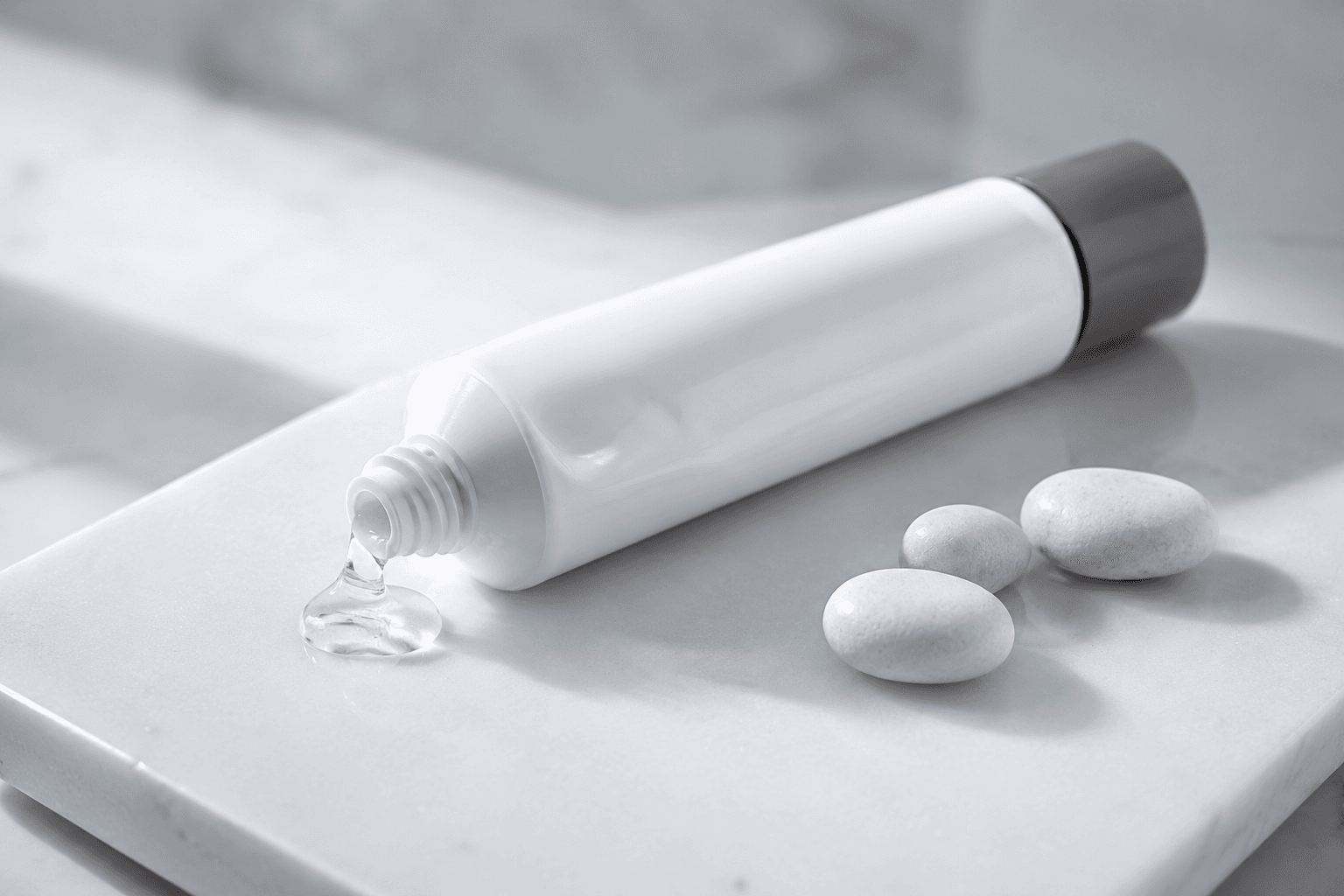
Once a night, pea-sized amount for your whole face. Using more just irritates your skin faster.
Weeks 3 to 6: The Purge
This is where most people quit. I get it, but it's a mistake.
Adapalene speeds up cell turnover. Congestion that was sitting beneath the surface starts coming up. Clogged pores that hadn't yet developed into visible acne become visible acne. This is what people call the purge, and it's actually the retinoid working.
The purge typically peaks around weeks 3 to 4 and starts resolving by week 6. During this period:
- New breakouts come and go faster than usual
- The breakouts are often in unusual places or higher volume than before
- Existing acne may look worse before it looks better
It's normal. It passes. Quit at this point and you've wasted the weeks you already put in. Every time someone tells me Differin didn't work for them, I ask how long they used it. Almost always, they stopped somewhere in weeks 3 to 5.
I've had this conversation so many times. Someone stops at week four, convinced it's making things worse. Six months later they're asking where to start again.
True allergic reactions are different from purging. Hives, severe burning, or serious swelling mean stop. The usual stuff (dryness, flaking, extra breakouts, mild redness) is normal. Don't quit over that.
Weeks 6 to 12: Things Start Turning
By week 6 to 8, most people notice a real reduction in both active acne and new breakouts. Skin starts to smooth out. The faster cell turnover is doing what it's supposed to.
By this point you're typically getting fewer active breakouts, and the ones that do show up clear faster. Blackheads and whiteheads start reducing. Post-acne marks begin fading earlier than most people expect.
Months 3 to 6: The Full Picture
Most of the clinical trials on adapalene ran for 12 weeks. At that point, participants had 50 to 70% fewer active breakouts. Blackheads and whiteheads dropped by 40 to 60% too. Those are real numbers.
At 3 to 6 months, that's the full picture. Skin that was consistently broken out is mostly clear. Marks are fading. Texture is noticeably smoother. Some people back off to every other night once they're happy with where things are.
How to Use It
Apply it once at night. Retinoids increase photosensitivity, so morning use doesn't make sense here.
Wait about 10 minutes after washing your face before applying. Damp skin absorbs more and that just makes the irritation worse. Dry skin is what you want.
A pea-sized amount covers your whole face. I usually dot it in a few spots and spread from there. More doesn't speed anything up.
Your first couple of months aren't the time to stack actives. The first few months, strip everything else back. Once your skin has settled, usually around week 8 to 12, add your other actives back in one at a time.
Moisturiser after every application. This is what keeps the dryness manageable. CeraVe Moisturising Cream or Vanicream both work well for this.
SPF every morning without fail. Retinoids thin the outer skin layer, which makes UV damage a real concern. SPF 30 minimum, daily.
As an Amazon Associate, I earn from qualifying purchases.Product Variations
Everything above refers to the standard 0.1% gel. That's the one to start with.
Differin Adapalene Gel 0.1% Acne Treatment. The core product. Available at most major retailers.
Differin Daily Deep Cleanser. Benzoyl peroxide cleanser designed to pair with the gel. The 5% benzoyl peroxide adds antibacterial coverage that adapalene alone doesn't provide. Once your skin has adapted, it's a solid pairing.
Differin Oil Absorbing Moisturizer with SPF 30. It does both in one go, which I get the appeal of. Honestly though, any SPF 30 moisturiser that doesn't clog pores does the same job for less.
Who Should Use It
Differin is where I'd send someone who's already gone through benzoyl peroxide or salicylic acid without much to show for it. Regular breakouts, blackheads, whiteheads. Same goes if you need a retinoid but a prescription isn't an option. It also works well for long-term maintenance after a course of antibiotics.
Cystic or nodular acne needs something stronger. Prescription tretinoin or oral medication is more appropriate there. Sensitive or rosacea-prone skin can use Differin but starting every other night makes more sense, and talking to a derm first doesn't hurt. Retinoids of all kinds should be avoided during pregnancy and breastfeeding.
Frequently Asked Questions
How long does Differin take to work?
Real improvement starts around week 6, though it's subtle at first. Twelve weeks is where most people feel like it's actually working. The full effect takes 3 to 6 months.
Is Differin the same as tretinoin?
Tretinoin is stronger and does more for fine lines and photoaging. For acne specifically, the results are similar and adapalene is a lot easier to live with.
Can I use Differin and niacinamide together?
Yes, no issue. Niacinamide goes on first. Give it a minute, then the Differin.
Does Differin work on blackheads?
Yes. It works by changing how your pores shed dead skin. That's the root cause of most blackheads. Most existing blackheads clear over 12 or more weeks and new ones form less often.
Can I use Differin as an anti-aging treatment?
To some degree. Retinoids stimulate collagen and speed up cell turnover. The same process clearing your acne also works on texture and fine lines over time. For anti-aging it's weaker than tretinoin, but it does noticeably more than OTC retinol.