
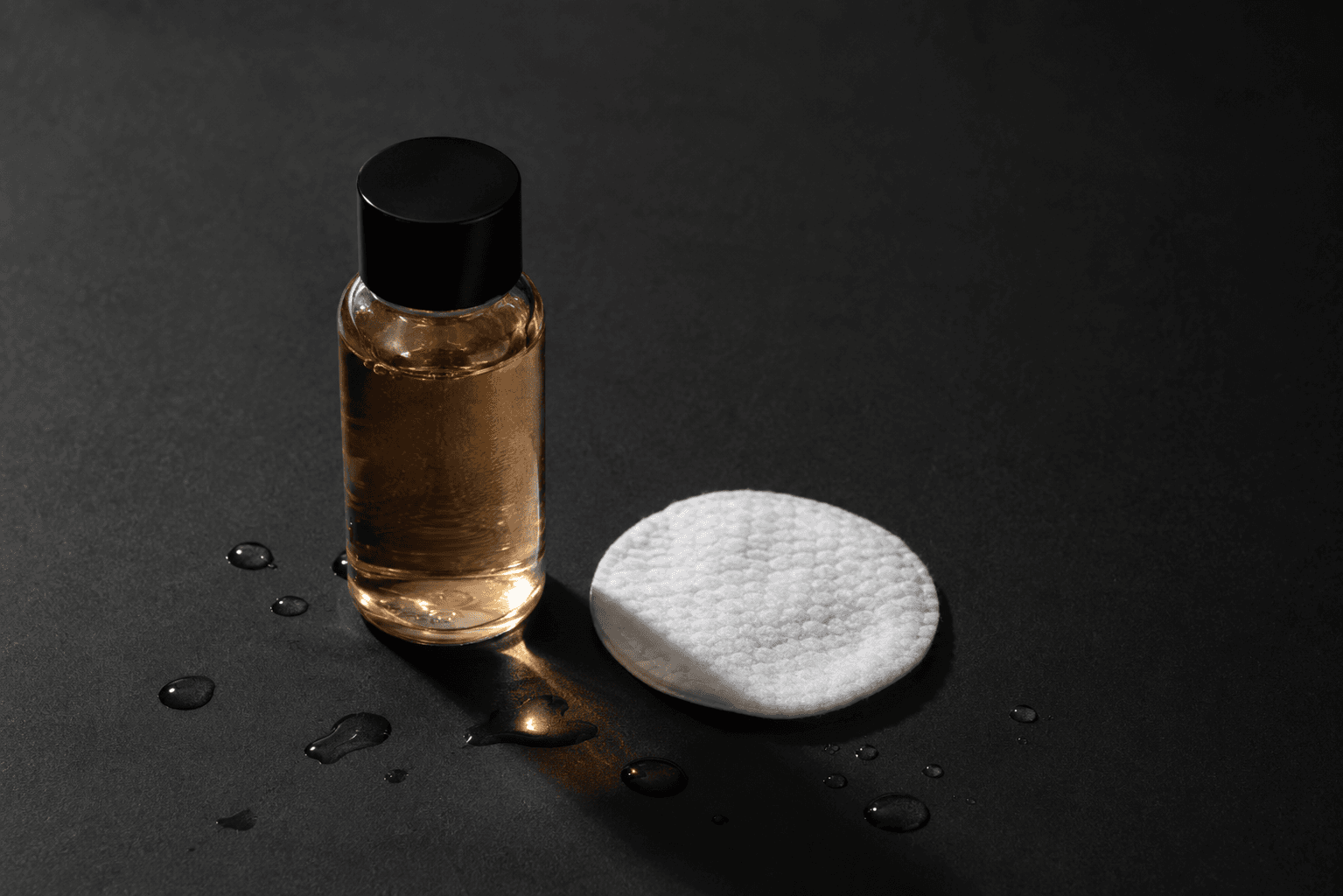
The Ordinary Glycolic Acid 7% Toning Solution has been sitting in my routine, on and off, for years. At around $12 for 240ml, it's the most affordable chemical exfoliant I've found that actually does what it claims. It's also the product I've seen misused more than almost anything else, because the format makes it look like a toner you splash on every morning.
Don't. Most of the bad reviews of this product start exactly there.
What Is It?
A liquid chemical exfoliant. The active is glycolic acid at 7%. It's an AHA derived from sugarcane, and it has the smallest molecular size of any acid in that family. Smaller molecule means it gets deeper into skin than lactic or mandelic.
The formula also has amino acids, aloe vera, ginseng, and Tasmanian pepperberry extract. The pepperberry is worth knowing about. It's added specifically to help manage the irritation from the acid. pH sits around 3.5 to 4.0.
What It Does
Exfoliates the Surface Layer
AHAs break the bonds between dead skin cells sitting on the surface so they shed properly. After a few consistent weeks, texture smooths out and tone evens. It's not dramatic. It's a slow, steady improvement that you notice more in retrospect than day to day.
Fades Hyperpigmentation
Glycolic acid speeds up cell turnover, which moves pigmented surface cells out faster. I've used this after stretches of sun exposure and noticed dark spots fading within about six weeks of consistent use. It works, but patience is the whole game with this one.
Smooths Fine Lines
Glycolic acid drives collagen production over time. Skin texture follows. The improvement on fine lines is real but takes a few months to show up in any meaningful way.
Unclogs Pores
Dead cell buildup on the surface is what feeds most blackheads and congestion. Clearing that layer regularly keeps new ones from forming. Existing blockages take longer, but after a month or so you'll notice fewer showing up.
How to Use It
This is where people go wrong. The flip-top bottle and "toning solution" name make it feel like a daily product. It isn't, at least not when you're starting.
- Apply to a cotton pad or directly onto clean, dry skin with your hands
- Swipe over your face, keeping it away from the eye area and lips
- Don't rinse it off
- Follow with a hydrating serum and moisturiser
- SPF every morning without fail. AHAs increase photosensitivity and that's not a risk worth taking.
I'd start at 2 nights a week and see how your skin handles it. Most people work up to 3 or 4 nights after a couple of months without any issue. Daily use is possible for experienced users with tolerant skin, but it's not necessary to get results and it raises the irritation risk considerably.
Use it at night. AHAs and morning sun exposure don't mix well, and evening use sidesteps that entirely.
Who It Works For
Normal to oily skin dealing with texture, uneven tone, or mild hyperpigmentation is the sweet spot for this. I'd also send anyone new to chemical exfoliation here first. Just start slow with the frequency.
It's not for everyone. Sensitive or reactive skin tends to find 7% too strong. Putting acid on active breakouts makes things worse. Dry or compromised skin barriers get dehydrated by it. And if you have rosacea, glycolic can trigger a flare in some people. For any of those situations, a 5% lactic acid is a gentler molecule and a better place to start.
Honest Take
It works. That's genuinely the whole story. Texture improvement shows up within a few weeks of consistent use. Hyperpigmentation fades. At $12 for a bottle that lasts months, nothing at this price does more.
The frustration people have with it is almost always about the format. The large bottle with the flip top encourages daily use, and the instructions suggest you can. Most skin can't handle that, especially not early on. Someone uses it nightly for two weeks, gets irritated, decides it's too harsh. That's a frequency problem, not a product problem.
It also doesn't work on dry, sensitive, or compromised skin. Not a knock on the product. Lactic acid is gentler and a better fit for those skin types.
One thing worth being aware of: AHAs oxidise over time. The bottle is large enough that you're stretching it across several months. Use it consistently and don't let it sit on the shelf for a year.
As an Amazon Associate, I earn from qualifying purchases.How It Compares
Paula's Choice AHA Exfoliant (8%) is slightly stronger and better formulated. I've reached for it during stretches when my skin was being difficult and it handled the irritation better. At around $35 for 100ml, you're paying nearly three times as much. For reactive skin, that difference in formula shows up.
Pixi Glow Tonic (5%) is where I'd send someone who's never used an AHA before. It comes in at 5%, the price is similar, and your skin won't have as hard a time adjusting.
Drunk Elephant T.L.C. Framboos is a different animal. It's a combined AHA/BHA product at around 12% total and hits considerably harder. The Ordinary is where I'd start. Framboos is for people who've already built up tolerance and want to push further.
I haven't found a better value exfoliant at this price. Paula's Choice is the stronger formula. The per-ml cost is about three times higher, but if your skin is reactive, the difference shows.
Building a Routine Around It
On exfoliation nights I do cleanser first, then the glycolic acid. I give it about 10 minutes before applying niacinamide and moisturiser. The wait time matters. Applying other actives straight on top of fresh acid can cause irritation.
On off nights I keep it simple: cleanser, a hydrating serum, retinol if I'm using one, moisturiser.
Every morning regardless: cleanser, vitamin C, moisturiser, SPF 30. The glycolic stays at night only.
The alternating schedule is what keeps this product from causing problems. You get consistent results without hammering your skin every day.
Verdict
Rating: 4/5
At $12, this is the best-value exfoliant I've come across. The results are real. The frustration is that the packaging sets people up to use it wrong, and if your skin is dry or sensitive, this isn't your product.
Two to four nights a week, moisturiser after, SPF every morning. That's really all it takes. Done right, it earns its place.
Frequently Asked Questions
Can I use this every day?
You can build toward daily use if your skin tolerates it, but starting there is a mistake. Two to three nights per week is the right entry point.
Can I use glycolic acid with niacinamide?
Yes. Glycolic acid goes on first. Give it 10 to 15 minutes, then apply the niacinamide. Exfoliation wears down the skin barrier over time, and niacinamide helps rebuild it.
Can I use this with retinol?
On separate nights, yes. Both on the same night is usually too much. Glycolic acid one night, retinol the next.
Does it cause purging?
Some people go through a brief purging phase when they start any exfoliant. Congestion that was already forming beneath the surface comes up faster. That typically lasts 2 to 4 weeks and only happens in areas where you normally break out anyway.
Can I use it on my body?
Yes. It works well on your back, upper arms, and chest area too. If you have rough texture or those tiny bumps on the backs of your arms (the ones that never seem to go away), this is a good treatment for them. Same rules apply. Don't skip the SPF.